Daidalos (Daedalus) was one of the key figures in the Minoan civilisation. he was the right-hand man of King Minos and a friend of Queen Pasiphae and her daughter, Ariadne .He was a cousin of the Greek hero, Theseus, and Socrates boasted that he was a descendant of Daidalos. He was renowned as an architect, sculptor, inventor, sculptor, engineer and scientist
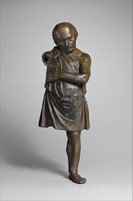
He has a pair of wax tablets tucked in his belt on which he would have written
or drawn with a pointed stylus. It has been suggested that it represents
Daidalos or possibly Phidias (a famous 5th century BCE Athenian sculptor). Image courtesy of the Metropolitan Museum of Art, New York. CC0 1.0
Content of the book
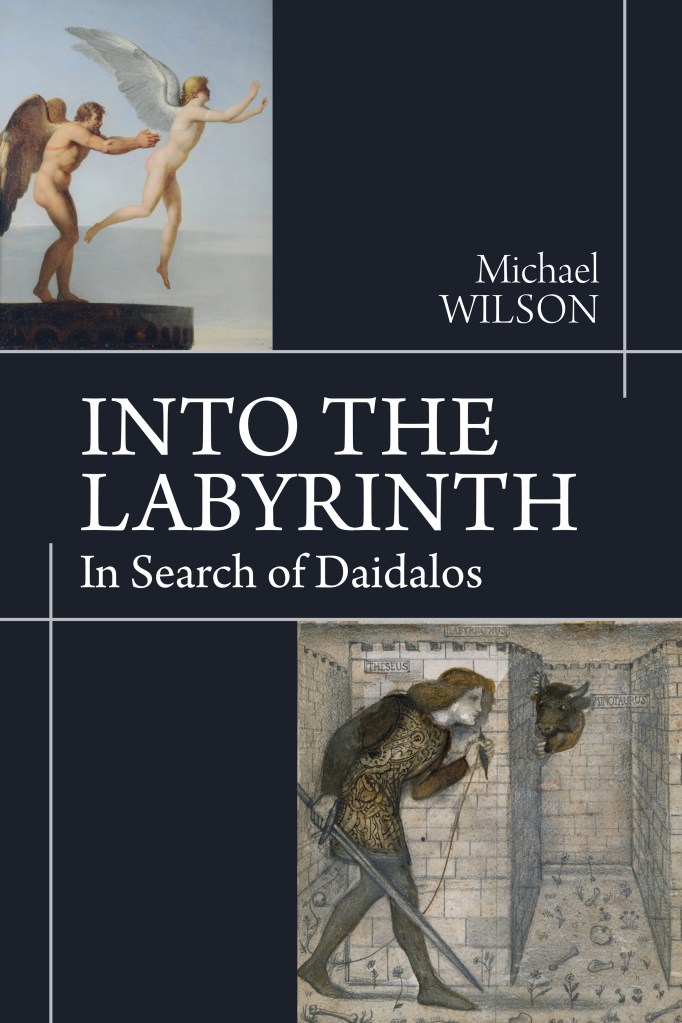
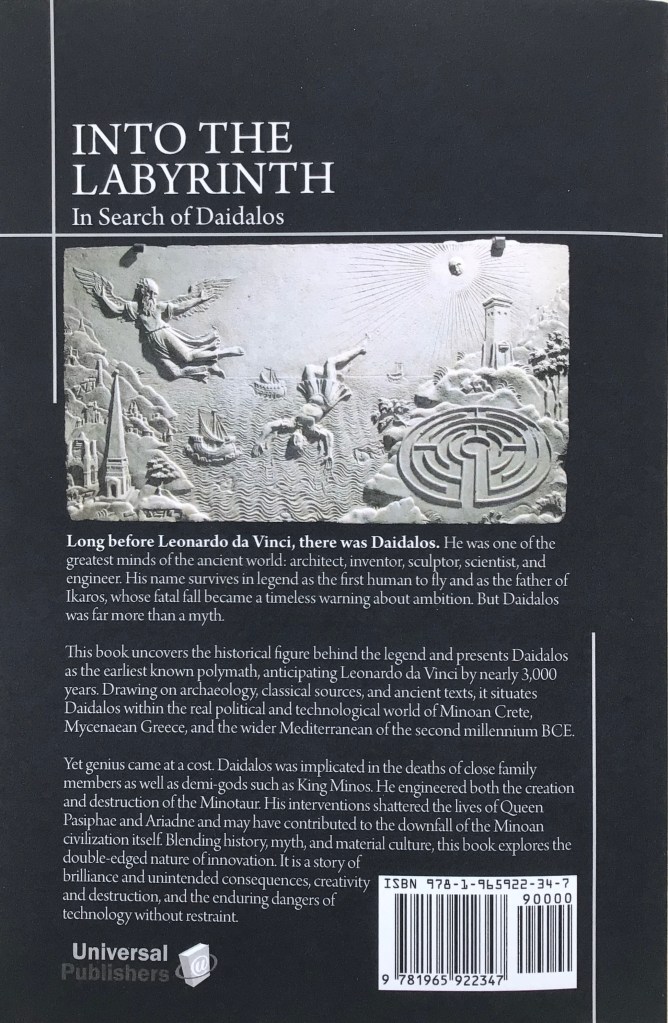
As well as telling the story of Daidalos, the book will also provide the reader with:
- a description of the world as it would have been during his lifetime. This includes the Minoan and Mycenaean civilisations as well as the Thapsos culture in Sicily
- an introduction to the important classical Greek and Roman writers
- an introduction to the main ancient books that describe the Mediterranean world in the 2nd millennium BCE
- a collection of photographs of ancient sites, pottery and other artefacts as well as works of art that deal with events in Daidalos’ life
- a catalogue of paintings, poems, stories, films and operas that are based on the life of Daidalos
Key features of the book
(a). uses an approach that combines history, mythology, literature, art, science and technology
(b). incorporates material from some of the most important ancient writers in Western culture
(c) provides references to all of the sources used
(d ). supplies a list of reading material to enable further exploration of the various topics covered
(e ). is lavishly illustrated and is the largest collection of images relating to the life of Daidalos that has ever been assembled
(f). uses inserts to provide the reader with additional information on characters, writers and historical incidents referred to in the main text
(g) as well as telling the story of Daidalos, the book describes what life would have been like for him in the various places he lived
(h) discusses the relevance of Daidalos to the present day
(i) as a practicing scientist I have expertise in a discipline other than the classics which has skilled me up for writing this new book in ways that have enabled me to come at the topic from intriguing angles.
Target Audience of the book
The main target audience is the adult, non-specialist reader who has an interest in any of the following – mythology, ancient history, sculpture, art, the Minoans, the Mycenaeans, ancient literature and classical writers.
The book would also be of interest to secondary school pupils with an interest in the classics and ancient civilisations as well as to undergraduates studying for degrees in these subjects. As it will be fully referenced it would be a useful starting point for further study of: (i) the bronze age cultures of the Mediterranean, (ii) ancient literature, (iii) Greek, Roman and Etruscan art and (iv) mythology.
The book would certainly appeal to students of art and art history as Daidalos is regarded as being the father of sculpture, responsible for innovative approaches to this art form, as well as being the ancestor of all artists. The large number of relevant images included in the book would be a valuable resource for such students.
A number of continuing education courses on ancient civilisations are run by several universities and the book would be of interest to them also.
TABLE OF CONTENTS
Preface……………………………………………………………………………………………………..9
Chapter 1. Who was Daidalos?…………………………………………………………..11
Chapter 2. The Mediterranean world in the time of Daidalos………47
Chapter 3. Daidalos’ story……………………………………………………………………92
Chapter 4. The works of Daidalos…………………………………………………….165
Chapter 5. The legacy of Daidalos…………………………………………………….224
Image credits…………………………………………………………………………………………282
Daidalos – the first of Europe’s mobile researchers?
An article written for the European Institute at University College London
The mythical genius of Daidalos, the first polymath.
An article written for History Extra, the BBC history magazine
 Mike's Books