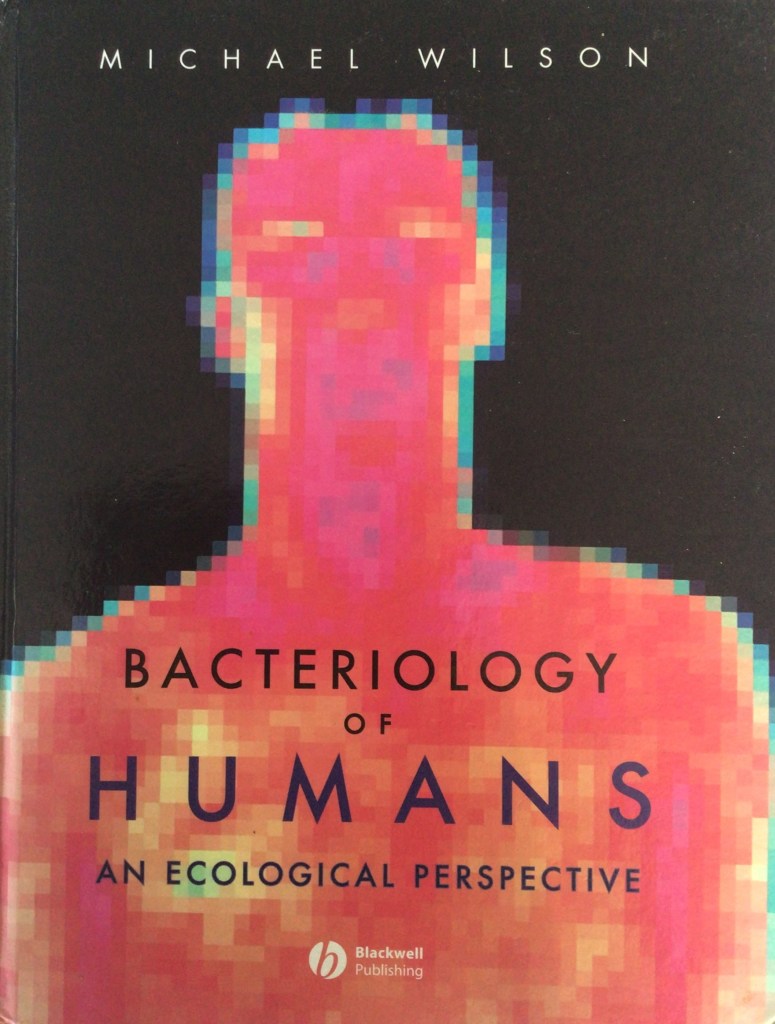
https://www.wiley.com/en-gb/Bacteriology+of+Humans%3A+An+Ecological+Perspective-p-9781405161657
Until recently, the indigenous microbiota of humans has been a relatively neglected area of microbiology with most attention being focused on those microbes that cause disease in humans, rather than on those that co-exist with us in the disease-free state. However, in the past decade research has shown that not only is the indigenous microbiota involved in protecting humans from exogenous pathogens but it is also involved in our development and nutrition. Consequently, interest has grown substantially among health professionals and scientists in analyzing and understanding these microbial (largely bacterial) communities.
This comprehensive, yet accessible text provides an up-to-date guide to the development, composition and distribution of these microbial communities. With the aid of abundant colour figures, diagrams, tables and maps, it establishes links between the physicochemical factors prevailing at an anatomical site and the types of microbes to be found there. The book includes an introduction to the human-microbe symbiosis as well as an in-depth look at the main systems and organs of the human body that have an indigenous microbiota. Each chapter includes a list of references for further study.
This is an excellent and informative reference book that will be useful to anyone with an interest in microbiology, medical microbiology, microbial ecology, infectious diseases, immunology, human biology, medicine, dentistry, nursing, health sciences, biomedical sciences or pharmacy – it should be on the shelf of every major science and medical library.
Chapter 1. The human–microbe symbiosis……………………………………………..… 1
Chapter 2. The indigenous microbiota of the skin…………………………………… 56
Chapter 3. The indigenous microbiota of the eye……………………..…………..… 95
Chapter 4. The indigenous microbiota of the respiratory tract…………….… 113
Chapter 5. The indigenous microbiota of the urinary system of females… 159
Chapter 6. The indigenous microbiota of the reproductive system
of females………… 170
Chapter 7. The indigenous microbiota of the urinary and reproductive systems of males ……………207
Chapter 8. The indigenous microbiota of the oral cavity……………………….. 222
Chapter 9. The indigenous microbiota of the gastrointestinal tract………. 266
Chapter 10. The future………………………….…………………………………………………..327
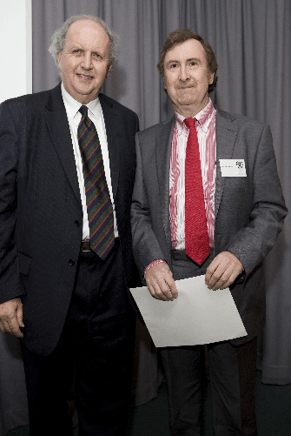
Presentation of prize by Alexander McCall Smith
 Mike's Books